Employment trends expert weighs in
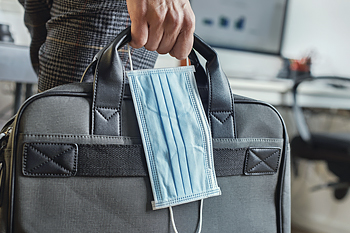 A new poll has revealed that President Trump’s COVID-19 diagnosis has led to an increase in mask-wearing, with 25% more Americans opting for face coverings after learning of his diagnosis. Still, mask-wearing is a hotly debated topic even at the White House, with many critics condemning the fact that President Trump removed his mask in public even after his diagnosis, while others say mask-wearing policies are becoming too stringent.
“Right now, what’s happening at the White House is a microcosm of what’s happening in workplaces across the country,” says Rob Wilson, employment trends expert and President of Employco USA, a national employment solutions firm with locations across the country. “Masks have become heavily politicized and policed, and as COVID-19 cases continue to spike, these conversations about mask-wearing and proper mask etiquette are happening more and more. These conversations can become very difficult in the workplace where HIPAA policies and employee’s rights might feel at odds with mask regulations.”
Wilson says that many employers are grappling with how to enforce mask-usage without stepping over the line, and the employment trends expert explains that this is a topic he has helped many of his clients navigate.
Continue reading →

 As Election Day approaches, millions of Americans have already voted via absentee ballot or early in-person voting. Yet due to unprecedented long lines and concerns around the coronavirus, many people still haven’t managed to cast their ballot. Here is what employers need to know about employees’ rights around Election Day, for those who still need to make their voice heard.
 A South Carolina fast-food worker was recently fired for a

 A
A