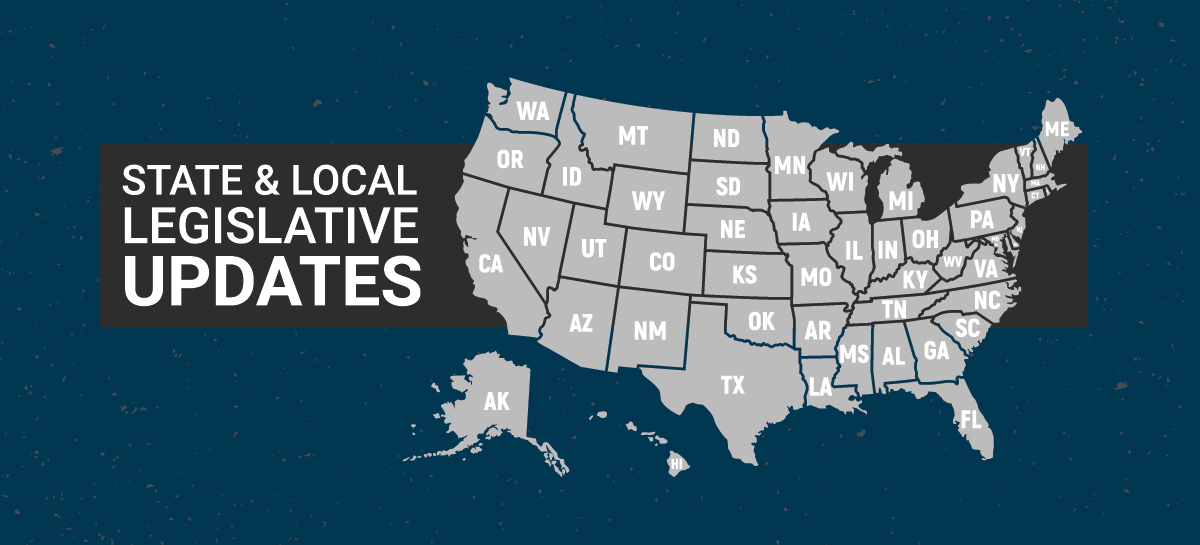
Chicago Revises Rules for Paid Leave and Paid Sick and Safe Leave – The Chicago Dept. of Business Affairs and Consumer Protection has revised the rules for the city’s Paid Leave and Paid Sick and Safe Leave ordinance. The changes take effect June 1.
The federal Family and Medical Leave Act (FMLA) provides eligible employees of covered employers with job-protected leave for qualifying family and medical reasons. It requires continuation of their group health benefits under the same conditions as if they had not taken leave. FMLA leave may be unpaid or used at the same time as employer-provided paid leave.
Federal law requires employers to hire only individuals who may legally work in the United States—either U.S. citizens or authorized foreign nationals. To comply with the law, employers must verify the identity and employment authorization of each individual they hire by completing and retaining the Employment Eligibility Verification form (Form I-9). Employers must have a completed Form I-9 for every employee hired after Nov. 6, 1986.
High turnover has long been treated as an unavoidable cost of doing business in industries such as retail, food service, hospitality, manufacturing, and other frontline operations. For roles with frequent turnover in any industry, organizations often hesitate to invest in training, questioning the value of developing employees who may not stay long. Yet this assumption is increasingly being challenged by workers themselves, who consistently say that access to training and skills development is a key factor in whether they stay, engage, and perform well at work. As the gap widens between what employees expect and what employers deliver, underinvestment in learning can quietly become a driver of the very turnover organizations are trying to manage.
HR Chat w/Employco USA: The Compliance Risks of AI Note Taking Tools
The growing use of AI-powered note takers in virtual meetings is helping employers improve productivity, but it may also introduce new privacy and compliance concerns.
In this HR Chat, Rob and Jason discuss a recent lawsuit involving an AI note-taking tool, employer obligations under biometric privacy laws, and practical steps organizations can take to reduce legal risk.
Contact hr@employco.com to discuss AI workplace policies, employee privacy concerns, HR compliance requirements, or other HR support needs.
Schedule a 15-minute call with Griffen Wilson for more information on our services.
HR Chat w/Employco USA: Workers Cut Retirement Savings, Ask Employers for Help
Rising costs for essentials like housing, groceries, and fuel are forcing many employees to make difficult financial decisions, including reducing contributions to their retirement plans.
In this HR Chat, Rob and Jason discuss recent trends showing workers saving less for retirement, the growing use of 401(k) loans, and how employers can support employees through retirement education and financial wellness resources.
Contact hr@employco.com to discuss employee benefits, retirement plans, financial wellness initiatives, or other HR support needs.
Schedule a 15-minute call with Griffen Wilson for more information on our services.
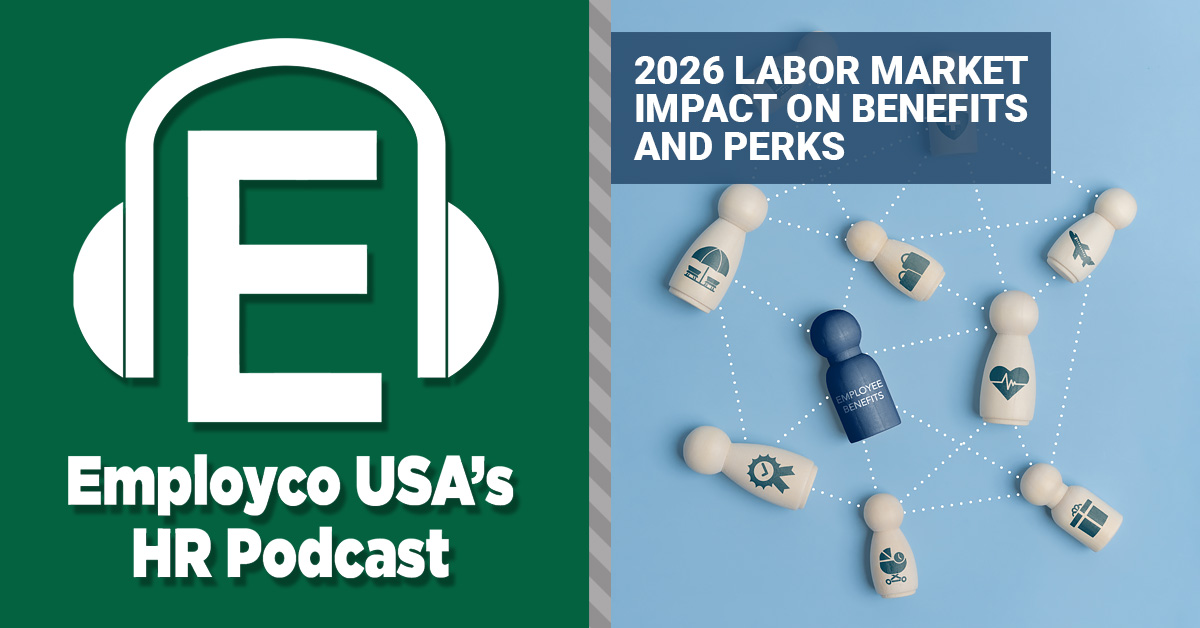
As the labor market continues to shift in 2026, many employers are reevaluating the benefits and workplace perks they offer employees. In this month’s HR podcast, Rob, Scott, and Jason discuss how current labor market conditions are influencing employer decisions around compensation, flexibility, retirement plans, voluntary benefits, and employee expectations. They also explore which perks employees value most, how organizations can remain competitive, and why balancing cost management with retention strategies remains a key challenge for employers.
For guidance on employee benefits planning, workforce retention strategies, and HR best practices, contact hr@employco.com.
Schedule a 15-minute call with Griffen Wilson for more information on our services.
HR Chat w/Employco USA: New Grads Would Trade Pay for Job Security
Would today’s college grads take less pay in exchange for more job security? Increasingly, the answer is yes.
In this HR Chat, Rob and Jason discuss a growing workforce trend where new graduates are prioritizing stability, long-term security, and lower risk over higher starting salaries.
Contact hr@employco.com to discuss employee retention, workforce management, or other HR support needs.
Schedule a 15-minute call with Griffen Wilson for more information on our services.