Employment trends expert Rob Wilson discusses why unemployment scams are not a ‘victimless crime’
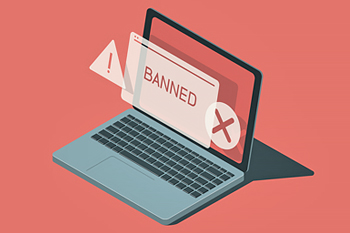
Unemployment scams are on the rise across the country, with organizations like the Better Business Bureau of Central Illinois reporting that this type of fraud has been on the increase in recent months. Over 200,000 Illinoisans have been targeted for such fraud, and Congressman Rodney Davis (R-IL) himself was a victim, with scammers filing for unemployment benefits under his name.
Employment trends expert Rob Wilson can speak personally to this troubling trend, as he was the target of an unemployment scam, along with other members of his staff.
“We’ve known these scams have been on the rise for months, and we have been helping our clients with how to best address the issue, but it was still a bit of a shock to find out it happened to me and employees within our office too,” says Wilson, who is the President of Employco USA, an employment solutions firm based in Chicago.
Wilson says that the perpetrators are stealing employees’ identities in order to access government funds under their name.
“It’s alarming to consider how much confidential information these scammers have,” says Wilson. “From your address to your birthday to your Social Security number, this a disturbing breach of privacy.”

Many employees were asked to sign waivers promising their employers that they would not travel or attend mass gatherings this Thanksgiving season. As we head into another round of holidays, it is expected that even more employers will ask employees to refrain from traveling or gathering with their families. But do employers have this right, and to what extent can companies enforce these COVID-19 policies?
With the COVID-19 pandemic, many people were forced to cancel their vacations, weddings, cruises, and other planned leisure activities. As a result, workers across the country have collected many days’ worth (or even weeks’ worth) of paid time off, which will need to be used by year’s end or could be potentially lost forever.
Qantas Airlines made global news this week when their CEO said they would require international travelers to be vaccinated for COVID-19.
Five more states including Arizona, Mississippi, Montana, New Jersey, and South Dakota voted to legalize marijuana for recreational use, medical use, or both yesterday. This leaves just a handful of American states in which marijuana use of any kind is fully illegal. So what does this mean for employers and drug use in the workplace?
As Election Day approaches, millions of Americans have already voted via absentee ballot or early in-person voting. Yet due to unprecedented long lines and concerns around the coronavirus, many people still haven’t managed to cast their ballot. Here is what employers need to know about employees’ rights around Election Day, for those who still need to make their voice heard.